Apparel Production for Clothing Brands
Merch Mob produces apparel for independent clothing brands, from a first drop on premium blanks to full cut and sew private label. We screen print, embroider, DTG print and all-over print, then relabel, tag, bag and ship, in bulk or order by order from our Southern California facility. Every run starts with a quote inside 24 hours and a mockup you approve.
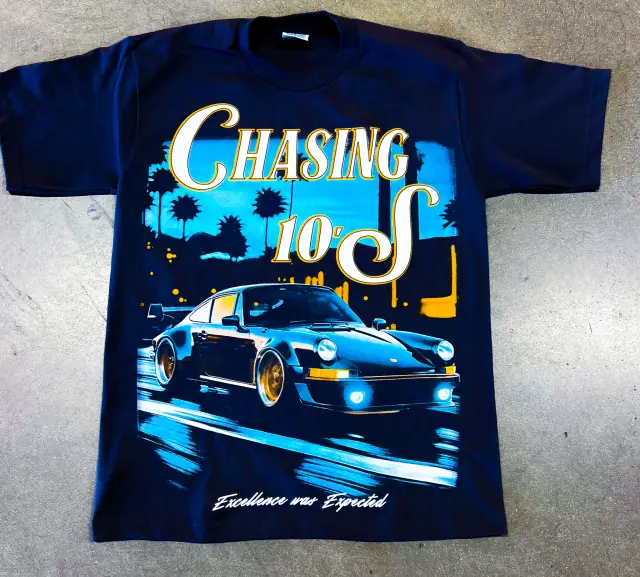
What good looks like.
A clothing brand is built on the second order. The design wins the first sale, and the garment wins the reorder. A customer whose tee still has a flat collar, an intact print and straight side seams after a season of washing comes back for the next drop. One who finds a cracked print and a twisted body does not. That makes the blank, the fabric weight, the ink and the label brand decisions rather than purchasing details, and they deserve the same attention as the artwork.
Good brand production looks like this: a blank chosen for your customer and your decoration method, a print that suits the garment (soft discharge on a garment-dyed tee, a dense plastisol graphic on a heavyweight boxy fit), your label in the neck instead of the manufacturer's, and packaging that matches the price on the tag. When the line outgrows blanks, cut and sew gives you your own pattern, fabric and fit, with sample and fit approval before the run.
What clothing brands order, and why.
- 01
First drop tees
A tight capsule of a few graphics on one blank style is the usual opener. It keeps setup down, makes the size run easier to forecast and shows which designs your audience buys before you commit to more.
- 02
Heavyweight and boxy staples
Boxy, cropped and drop-shoulder cuts in heavier cotton carry the streetwear look. Their wide, flat bodies also give a jumbo print room to sit without wrapping toward the side seams.
- 03
Hoodies and crewnecks
Fleece carries a brand through fall and winter and usually sits at the top of the price list. Choose the fleece weight and hood construction first, then plan the front print around the kangaroo pocket.
- 04
Embroidered caps and beanies
A cap with a clean front logo or a 3D puff wordmark is an easy add-on at checkout, and a beanie with a small cuff logo or patch does the same job through winter.
- 05
Relabeled blanks
Swapping the manufacturer's tag for your own printed neck label, then adding a woven label and a hang tag, turns a good blank into your product. It is the smallest step between a printed blank and a fully custom garment.
- 06
Cut and sew pieces
When fit, fabric or construction is the point (a specific body length, a custom rib, a fabric no blank uses), cut and sew starts from your pattern or tech pack and runs through sample and fit approval before production.
- 07
All-over print pieces
Cut-panel sublimation prints a camo, floral or photo repeat onto polyester fabric before the garment is sewn, so the pattern runs edge to edge and across the seams without white gaps.
How we make it
Screen Printing
The workhorse for brand tees and fleece: spot-color plastisol for bold graphics, water-based and discharge for a soft hand on cotton, and oversized prints for the streetwear look. Cost per piece falls as a design's quantity rises.
MethodCut & Sew
For the pieces blanks cannot give you: your own measurements, fabric and details. We handle pattern development, sampling and fit approval, fabric sourcing support and full production, so a signature hoodie fits the way you drew it.
MethodPrivate Label
Your neck label, woven label and hang tags in place of the manufacturer's, so a blank-based tee reads as your garment on the rack, in the unboxing and in every product photo.
MethodFulfillment
Send the finished run in bulk to your warehouse, or have us pick, pack and ship your Shopify orders one by one from our So Cal facility while you run the brand.
- 01
Heavyweight cotton tees
Heavier jersey, roughly 6 to 7 oz/yd² (about 200 to 240 GSM), holds its shape, hangs straight and gives a print a firm surface. A common pick for brands chasing a premium hand.
- 02
Garment-dyed tees and fleece
Dyed after sewing for a washed, lived-in color. Expect some shade variation between dye lots, and test discharge or water-based prints on the actual blank before the full run.
- 03
Boxy and oversized cuts
Shorter, wider bodies with dropped shoulders. A jumbo front sits differently on a boxy small than on a large, so check the mockup at both ends of the size run.
- 04
Cotton-rich fleece
Hoodies and crewnecks with a high cotton face take water-based and discharge prints softly. Check the fiber content before choosing a soft-hand ink, because discharge needs reactive-dyed cotton to work.
- 05
Structured and unstructured caps
Structured fronts hold 3D puff and crisp flat embroidery, while unstructured dad hats suit a smaller, flatter logo and a more casual line.
- A first drop is often a single tee style in a couple of colorways with one or two graphics, plus a cap, sized from pre-order data or a cautious curve.
- Brands that sell through tend to reorder the winners and add fleece and headwear before adding more tee designs.
- Established labels often move a hero piece into cut and sew first, keep blanks for graphic tees, and add relabeling, hang tags and polybags as wholesale accounts ask for them.
- Pre-order drops run production after the window closes, so the size run matches what customers actually bought.
- What is the best blank for a first drop?
- How many pieces do I need to start a clothing brand?
- Can you put my own label in the neck instead of the manufacturer's tag?
- When does it make sense to move from blanks to cut and sew?
- Should my first run be screen printed or DTG?
- Can you ship my Shopify orders so I do not pack them myself?
When to order, by region.
- Desert Southwest. Summer heat pushes local customers toward lightweight tees, tanks and light colors from May through September. Fleece demand arrives late and stays short, so desert labels often save hoodie drops for the holiday window and lean on tees the rest of the year.
- California. Mild weather keeps tees and light crewnecks selling all year, and coastal evenings keep a lightweight hoodie in the line even in summer. The big swing is the holidays: fleece and gift-ready pieces need to be in stock before Black Friday.
- Texas and Oklahoma. Long, hot summers make breathable tees the core of the line from May into October. Fleece has a short window, roughly December through February, so a heavy hoodie drop is a holiday play, and long sleeves carry the cooler weeks.
- Florida, the Gulf Coast and the Deep South. Heat and humidity run most of the year, so lightweight cotton and tri-blend tees, tanks and shorts do the work. Fleece season is brief and mild, and a midweight hoodie or long-sleeve tee usually suits the climate better than a heavy pullover.
- Upper South and Mid-Atlantic. Four distinct seasons with a mild winter: tees from spring through early fall, then midweight fleece from late October. A fall drop that lands in September catches the first cool evenings and the holiday run after it.
- Mountain West. Fleece and beanies start selling in late August, earlier than on the coasts, and ski season keeps them moving into spring. Plan a fall drop to land before Labor Day, and keep summer releases tee-led and short.
- Pacific Northwest. Cool, wet months from October to May make hoodies, crewnecks and beanies core products rather than seasonal ones. Summer is dry and short, so tee-heavy drops fit June through August.
- Midwest and Plains. Hoodie weather starts by late September and runs well into spring, so fleece and beanies carry the second half of the year. Get winter goods ordered in late summer so they land before the first cold snap.
- Northeast. Fall is when fleece, crewnecks and beanies earn their place, from September through the holidays, and summer drops are short and tee-led. Schedule a fall release so production finishes in August, before the weather turns.
- Hawaii. Warm weather all year keeps the line on tees, tanks, shorts and caps, with a lightweight hoodie for evenings and upcountry. Shipping finished goods to the islands adds transit time, so plan drops with that margin.
- Alaska. Fleece, beanies and long sleeves sell for most of the year, with tees concentrated in the short summer. Freight north takes longer than delivery to the lower 48, so build extra transit time into any launch date.
For clothing brands
- Blank selection and sourcing, with every blank checked on arrival before it is decorated.
- Screen printing in spot color, water-based, discharge and plastisol, including oversized and jumbo prints.
- Cut and sew from pattern development through sample and fit approval, with fabric sourcing support.
- Private label finishing: neck labels and relabeling, woven and printed hang tags, polybags, tissue wrap and sticker seals.
- Drop planning and production timelines worked back from your launch date.
- Pick, pack and ship for Shopify orders, or bulk ship-out to your warehouse or retailer.
Six steps, nothing skipped.
Minimums and turnaround depend on the method, the garment and the run. The quote spells out both within 24 hours. DTG printing has no minimum, so a run of a few pieces is welcome.
- 01
Quote & discovery
Send the details and artwork. Within 24 hours you get line-item pricing for garments, decoration, finishing and quantities, with a committed timeline.
- 02
Specs & approval
Artwork is reviewed, a spec sheet is issued and a digital mockup is approved before anything runs. Sizes and colorways are confirmed here.
- 03
Sourcing & setup
Blanks are sourced and checked on arrival. Screens are burned or embroidery digitized, files are prepped and a strike-off is run.
- 04
Production
The first pieces are checked and signed off before the full run, with color and registration checks along the way.
- 05
Finishing & packaging
Labels applied, folded, bagged, tagged and packed to spec, then a final QC pass.
- 06
Delivery & fulfillment
Bulk shipped to you, your warehouse or a retailer, or picked, packed and shipped order by order to your customers.
From the production floor
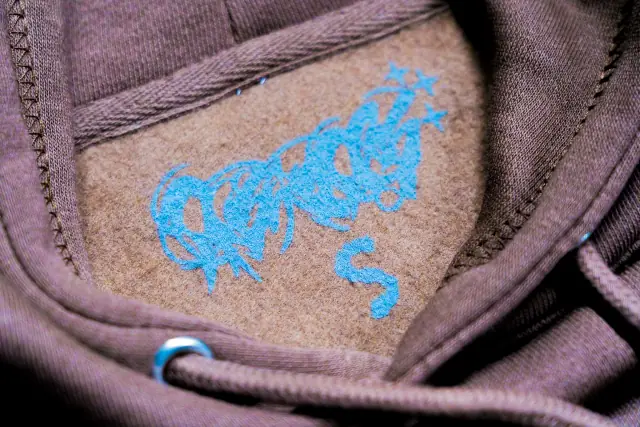
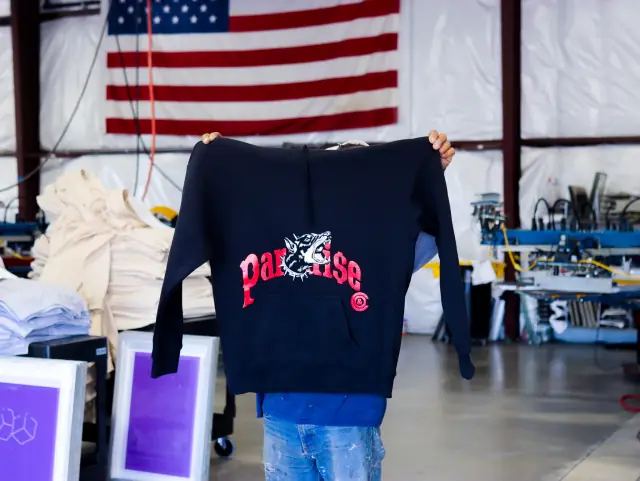
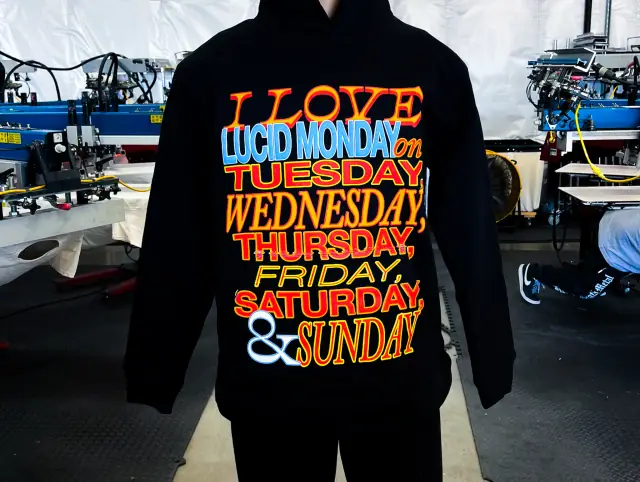
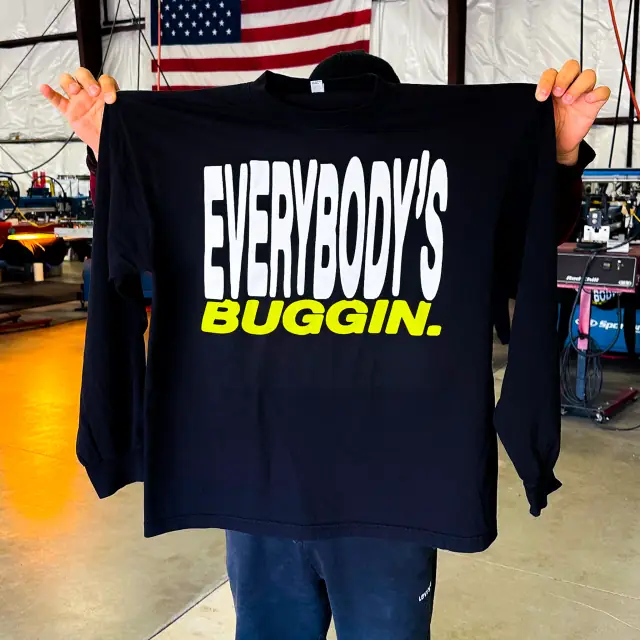
Recent Merch Mob production.
Merch for clothing brands: questions
How do I start a clothing brand with my first production run?
Start narrow. Pick one blank you would wear yourself, choose the decoration method that suits the art (screen printing for spot colors, DTG for full color in small numbers), approve a mockup, and set the size run from pre-orders or a cautious curve. Decide on your neck label, hang tag and packaging before the run, not after. Then choose how orders ship: in bulk to you, or picked and packed from our facility.
What is the minimum order for a clothing brand's first drop?
DTG has no minimum, which makes it a fair way to test a graphic. For screen printing, embroidery and cut and sew, the minimum depends on colors, print locations, the garment and the run, and your quote states it, with price and a committed timeline, within 24 hours. As a rule, more pieces per design lowers the cost of each, so a few designs in deeper runs usually beats many shallow ones.
Can you replace the manufacturer's tag with my brand's label?
Yes. Relabeling removes the blank maker's neck tag and adds yours, either printed inside the neck or as a sewn woven label, and hang tags and polybags can go on in the same pass. Your label still needs the required information, such as fiber content, country of origin, your business name or RN, and care instructions, so have that text ready with the artwork.
When should a brand switch from blanks to cut and sew?
The usual signals: you keep fighting the fit of available blanks, you want a fabric or detail no blank offers, or one signature piece sells well enough to justify development. Cut and sew adds pattern work, sampling and fit rounds, and its minimums and timeline are set per project in the quote. Many brands keep blanks for graphic tees and use cut and sew for hero pieces.
Screen printing, DTG or embroidery: which suits a clothing brand?
Most lines use all three. Screen printing gives strong value and durability on graphics with a limited number of colors across a real run. DTG prints full-color art with no minimum, so it fits samples, tests and small batches. Embroidery suits caps, beanies and small chest logos on fleece, and 3D puff adds height to a wordmark on a structured cap.
Can you fulfill orders from my online store?
Yes. We pick, pack and ship Shopify and other direct-to-consumer orders one at a time from our Southern California facility, and manage the inventory between drops. If you prefer to ship yourself or use a warehouse, the finished run can go out in bulk or on pallets instead, folded and bagged to your spec.
How long does a production run for a clothing brand take?
It depends on the method, blank stock, the number of designs and colors, any sampling rounds and the finishing you choose. The quote commits to a timeline within 24 hours, so give us your launch date and work backwards. Approvals and samples are where schedules tend to slip, so leave room for them before the run starts.
Worth reading first
How to Start a Clothing Brand: A Practical Step-by-Step Guide
Start a clothing brand by choosing a specific audience, designing a small first collection, picking blanks (or cut and sew once you need a custom fit), choosing a…
Merch LibraryHow to Choose a Blank T-Shirt for Your Merch
Pick the blank that suits the wearer, the decoration method and the budget at the same time. Decide who wears it and how often, match the fabric to the print method…
Merch LibraryBlanks vs Cut and Sew: When Custom Is Worth It
Blanks are finished garments made by a mill brand that you decorate in almost any quantity. Cut and sew builds the garment from fabric to your own pattern, so you…
Merch LibraryPrivate Label: Neck Labels, Woven Labels, Hang Tags and Packaging
Private label clothing carries your brand instead of the maker's. You either relabel blanks or produce cut and sew styles under your name, then finish them with a…
Merch LibraryHow to Launch a Clothing Drop: Timeline and Launch-Day Checklist
Launch a clothing drop by fixing the launch date, then working backward: confirm production and delivery dates with your printer, shoot product photos from samples,…
Merch LibraryPre-Orders vs In-Stock Drops: Cash, Risk and Wait Times
A pre-order sells the item first and produces it after the window closes, so customer payments fund production and real orders set the size run, but buyers wait. An…
Local Census figures for each city, and how ordering works from there. Every order is produced in Southern California.
- Gilbert, AZ
- Glendale, AZ
- Mesa, AZ
- Phoenix, AZ
- Tucson, AZ
- Anaheim, CA
- Bakersfield, CA
- Chula Vista, CA
- Fresno, CA
- Irvine, CA
- Long Beach, CA
- Los Angeles, CA
- Oakland, CA
- Riverside, CA
- Sacramento, CA
- San Diego, CA
- San Francisco, CA
- San Jose, CA
- Santa Ana, CA
- Stockton, CA
- Aurora, CO
- Colorado Springs, CO
- Denver, CO
- Washington, DC
- Cape Coral, FL
- Hialeah, FL
- Jacksonville, FL
- Miami, FL
- Orlando, FL
- Port St. Lucie, FL
- St. Petersburg, FL
- Tampa, FL
- Atlanta, GA
- Chicago, IL
- Indianapolis, IN
- Louisville, KY
- Baltimore, MD
- Boston, MA
- Detroit, MI
- Kansas City, MO
- Omaha, NE
- Las Vegas, NV
- Albuquerque, NM
- Buffalo, NY
- New York, NY
- Charlotte, NC
- Durham, NC
- Greensboro, NC
- Raleigh, NC
- Winston-Salem, NC
- Columbus, OH
- Oklahoma City, OK
- Portland, OR
- Philadelphia, PA
- Memphis, TN
- Nashville, TN
- Arlington, TX
- Austin, TX
- Corpus Christi, TX
- Dallas, TX
- El Paso, TX
- Fort Worth, TX
- Frisco, TX
- Garland, TX
- Houston, TX
- Irving, TX
- Laredo, TX
- Lubbock, TX
- Plano, TX
- San Antonio, TX
- Seattle, WA
- Milwaukee, WI
Let’s build
your next drop.
Tell us what you are making. You get a line-item quote, an honest timeline and production advice within 24 hours.