Start with the wearer, not the catalog
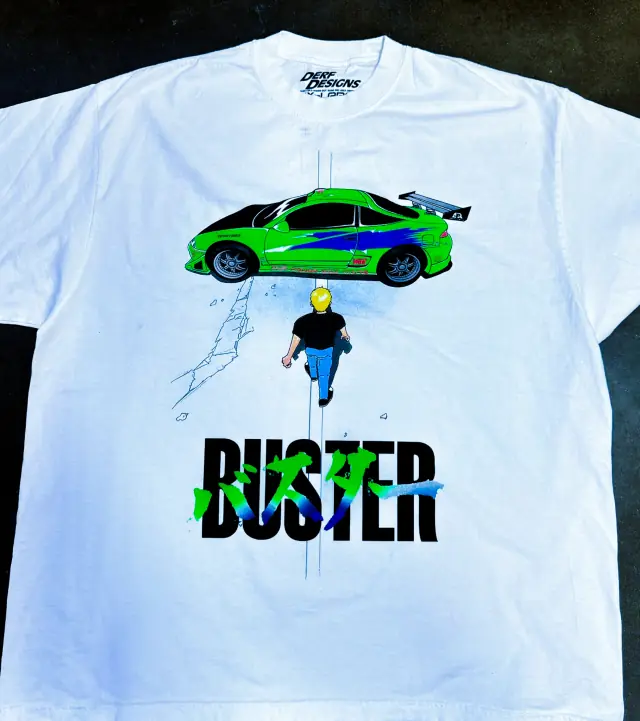
Every later choice gets easier once you know who will wear the shirt and how. A band tee bought at the merch table becomes a keepsake: fans wear it for years, wash it often and judge it by how it feels and how the print ages. A brewery staff shirt is worn every shift and washed hard. A run of event giveaways may be worn a handful of times. A streetwear label's tee is judged on the hanger before anyone reads the graphic, so the cut and the weight are part of the product.
Before you open a catalog, write down three things:
- Who wears it. Fans, staff, customers or a team, and how wide the spread of ages and body types is. A mixed crowd needs a long size range and a unisex cut that works on most bodies. A label with a defined customer can commit to one silhouette.
- How it is worn. Work shifts, gym sessions, summer festivals or a winter drop. Climate and activity rule out some weights and fibers before you look at a single color.
- What it is for. Retail product, uniform or giveaway. That sets the price tier you can afford and how much of the story the blank itself has to carry.
Match the fabric to the decoration method
Decoration and fabric work as a pair, so choose them together. Treat the table as a starting point; a test print on the exact style and color is the final word.
| Fabric | Plastisol screen print | Water-based and discharge | DTG | Embroidery |
|---|---|---|---|---|
| 100% cotton, combed ring-spun | Holds the finest detail | The ideal base for soft prints | Brightest, sharpest results | Good from midweight up |
| 100% cotton, open-end | Prints well; texture can break up fine halftones | Works; a coarser face softens thin lines | Works; loose fibers may lift through the ink | Good on heavier weights |
| Cotton/poly blends and heathers | Prints well; watch dark and bright poly colors for bleeding | Discharge lifts only the cotton, so the result looks faded | Duller color; needs a blend-friendly pretreatment | Good; blends pucker less |
| Tri-blend (poly, cotton, rayon) | Soft, slightly faded; thick ink layers feel stiff | Partial discharge with a heathered, vintage result | Muted; test first | Small designs with firm backing |
| 100% polyester | Needs low-bleed ink and a lower cure | Discharge does not work | A poor fit; DTF or sublimation instead | Good |
Screen printing with plastisol
Plastisol sits on top of the fibers, so it forgives a lot, and nearly any well-made cotton or cotton-rich tee prints cleanly. What changes the result is texture and polyester. A tight, smooth knit holds halftones and hairlines; a coarse knit breaks them up. Polyester is colored with dyes that can turn to vapor in the dryer and stain the ink above them, which printers call dye migration, so a white print on a red heather can drift pink unless the shop uses a low-bleed ink and a controlled cure. The screen printing inks guide covers the options.
Water-based and discharge
Water-based ink soaks into the fabric, so the shirt's surface and color show through and the print feels like part of the shirt. Discharge ink goes further: it strips the garment's dye where it prints and replaces it with pigment. That only works on cotton dyed with dyes the discharge agent can break down, usually reactive dyes, and results change with the color and even the dye lot. Blends discharge only partly, and many pigment-dyed shirts barely discharge at all. Ask for a test print on the exact color before you commit a run. Plastisol vs water-based ink compares the two ink families.
DTG
DTG ink is a water-based pigment ink that bonds best to cotton after a pretreatment layer is sprayed on and cured. Tightly knit 100% cotton with a smooth face gives the brightest color and the cleanest edges. Blends print with more muted color, and polyester-heavy fabrics are better served by DTF or sublimation. Screen printing vs DTG explains when each method makes sense for a given quantity.
Embroidery
Stitches pull on fabric. A light, stretchy jersey puckers around a dense logo, while heavier tees, piqué polos and fleece carry stitches without distorting. On a tee, keep embroidery small, think left chest, and expect a backing on the inside. How machine embroidery works explains why.
Weight, fiber and fit
Weight. Fabric weight, quoted in ounces per square yard or GSM, tells you how much fiber goes into each square of fabric, which roughly tracks thickness. Lightweight tees drape close and feel cool; midweights are the all-rounders; heavyweights feel structured and hold a boxy shape. T-shirt weights explained breaks down the bands and GSM and fabric weight shows how to convert between units.
Fiber and yarn. 100% cotton is the default for printing and comfort. Blends add shape retention, lower shrink and the speckled look of a heather. Tri-blends are very soft and drapey. How the cotton is spun matters as much as the fiber: ring-spun vs open-end vs combed cotton explains why two 100% cotton tees can feel nothing alike, and garment-dyed blanks covers the washed, vintage look and its printing quirks.
Fit. Makers use names like classic, retail, relaxed, boxy and oversized, and they mean different things from brand to brand. Side-seamed tees are cut from flat fabric and can be shaped through the body; tubular tees are knit as a tube with no side seams, which is cheaper to make and gives a straighter body. Compare real measurements with how to read a size chart, and see boxy and oversized fits for streetwear cuts.
Example styles for common jobs
These are examples to start a shortlist, drawn from each maker's own specs, not a ranking. Every job has several good answers.
| Job | What to look for | Example styles |
|---|---|---|
| Events, giveaways, staff basics | Midweight cotton, wide color and size range, deep stock | Gildan 5000 (5.3 oz) |
| Soft retail tee for DTG and fine detail | Combed ring-spun cotton, side seams, retail fit | Bella+Canvas 3001 (4.2 oz, 32 singles), AS Colour Staple Tee (5.3 oz, 28 singles), Next Level 3600 |
| Vintage, washed look | Garment-dyed heavyweight cotton | Comfort Colors 1717 (6.1 oz), Los Angeles Apparel 1801GD (6.5 oz) |
| Heavyweight streetwear | 7 oz and up, thick collar, relaxed or boxy cut | Shaka Wear Max Heavyweight (7.5 oz), AS Colour Heavy Tee (8.2 oz), the 7 oz Homeroom tee from Made Blanks |
| Boxy or oversized cut | Wide body, shorter length, dropped shoulder | WATC Studio Oversized Boxy Tee (185 or 240 GSM), Cotton Heritage MC1087 Box Tee (7 oz) |
The brand pages for AS Colour, Shaka Wear, Los Angeles Apparel, Lane Seven and Blanks by Thirteen list more of each maker's styles.
Color range, size range and stock
A style is only as useful as the colors and sizes it comes in, and whether they are on the shelf when you order.
- Colors now and later. Count the colors you need for this run and the ones you might add next season. A style with a deep color card lets you add a colorway without switching blanks and learning a new fit.
- Fiber content by color. Inside one style, greys and heathers are often blends. Gildan lists the 5000 as 100% cotton in solid colors, Sport Grey as 90/10 cotton/polyester and its heathers as 50/50, and that changes how a DTG or discharge print turns out.
- Sizes by color. Extended sizes, youth and women's cuts are not always offered in every color. Check the maker's color and size grid for each color you plan to order.
- Stock depth. A blank that is sold out in your color and size the week you need it is the wrong blank. Core colors in core sizes are usually deep across several warehouses; fashion colors and the largest sizes run out first. Ask your printer to check current stock and name a backup. Blank colors and stock risk and where to buy blank apparel go deeper.
What drives the price of a blank
The cost of a blank comes from things you can read on the spec sheet:
- Yarn: combed ring-spun yarn costs more to make than carded open-end.
- Weight: more fabric per square yard means more cotton in every shirt.
- Dyeing: garment dyeing adds a whole extra process after sewing.
- Construction: side seams, shoulder taping, thick collars and tear-away labels add labor.
- Fiber source and origin: organic, recycled or US-grown cotton, and where the shirt is knit and sewn.
- Size: 2XL and up use more fabric and are usually priced higher per piece.
A printer's quote normally lists the garment as its own line, so you can see what the blank contributes before decoration. Screen printing cost covers the decoration side.
Shortlist, then sample
Narrow the field to two or three styles and get samples in your main color, in the sizes most of your buyers wear. Then test them the way your buyers will:
- Measure each sample flat and compare it with the published chart.
- Wash and dry it twice the way a customer would, then measure again.
- Wear it for a day and notice the collar, the sleeve length and how it hangs.
- Ask for a test print or strike-off of your actual design on the finalist.
A sample is a small expense next to a full run on a blank your customers dislike.
Questions to answer before you pick a style
- Who wears it, how often, and in what weather?
- Which decoration method will you use, and does this fabric suit it?
- What weight and hand feel does the product need?
- Which fit do you want, and have you checked real measurements against your size chart?
- Does every color you want exist in every size and cut you need?
- What is the fiber content of each color you picked?
- Is the style deep in stock, and what is the backup style?
- Will the style and color still be made when you reorder?
- Do you need to remove the maker's label and add your own? A tear-away label makes private label finishing simpler.
- Have you washed, worn and printed a sample?
Sources
- Gildan 5000 product page (fabric content by color), checked 2026-10-04
- Bella+Canvas 3001 product page, checked 2026-10-04
- AS Colour Staple Tee 5001, checked 2026-10-04
- AS Colour Heavy Tee 5080, checked 2026-10-04
- Shaka Wear 7.5 oz Max Heavyweight Short Sleeve, checked 2026-10-04
- Los Angeles Apparel 1801GD, checked 2026-10-04
- Cotton Heritage MC1087 Men's Box Tee, checked 2026-10-04
- WATC Studio Oversized Boxy Tee, checked 2026-10-04
- Made Blanks product catalog (Homeroom T-Shirt), checked 2026-10-04
Useful for: clothing brands, bands, companies, events.